
What are Hermès Chypre sandals and why does proper care matter?
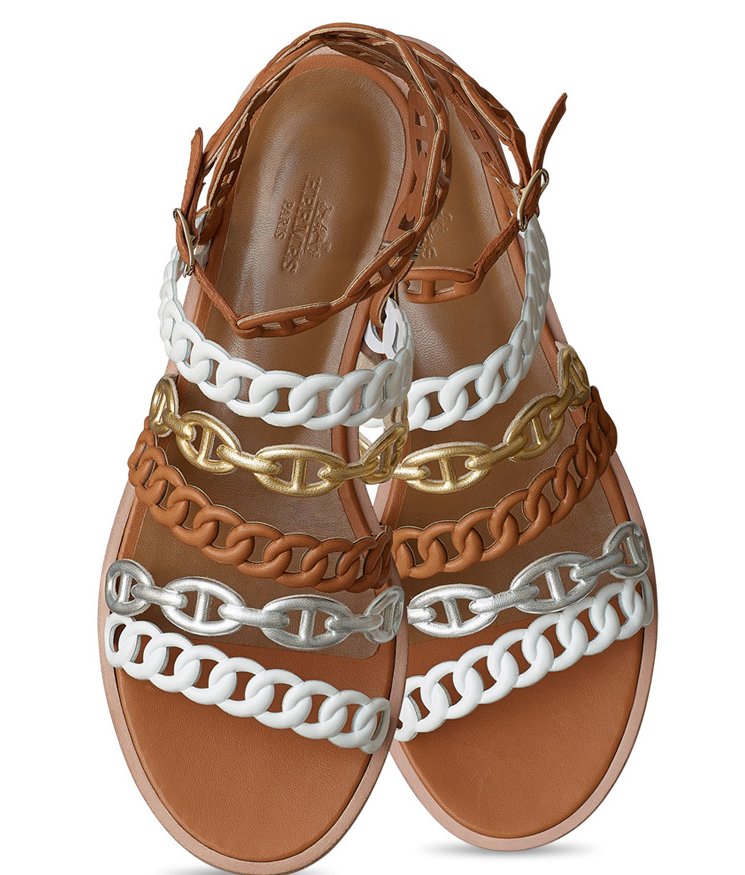
Hermès Chypre sandals are a high-end men’s slide built around refined leather work and clean, minimalist design; they are an investment in material and craftsmanship. Proper care matters because the leathers, edge paint and thin soles that give Chypre their profile are vulnerable to abrasion, moisture and improper cleaning — neglect shortens wearability and kills resale value. Routine maintenance preserves finish, prevents irreversible damage and makes authentication easier when provenance is intact. Treating them like ordinary summer flip-flops is the fastest route to scuffs, stretched straps and delamination. The rest of this guide explains specific inspection points, daily care steps, deeper maintenance, and how to spot fakes without guessing.
To ensure the longevity of your Hermes Chypre sandals, proper care is essential. Regularly clean them with a soft cloth and store them in a cool, dry place. Authenticity is crucial; always purchase from reputable sources. For a reliable selection, check out oransandals.com/product-category/men-shoes/chypre-sandals-man-shoes/. By following these tips, you can maintain the elegance of your sandals while ensuring they are genuine.
How can you tell an authentic Hermès Chypre sandal?
Authentication is about consistent, verifiable details: materials, finishing quality, stamps and packaging that align with Hermès standards. Authentic pairs show razor-sharp leather edges with hand-painted finish, tight and even stitching, an embossed insole that reads \”HERMÈS PARIS\” with the accent and exact spacing, and a sole/box label that corresponds to the model and size. Counterfeit items usually fail on material feel (stiff, plasticky leather or odd smell), sloppy stitching, off-center logos, and cheap hardware or glue residue at joins. Always inspect multiple elements together — one single good sign isn’t conclusive, but a cluster of correct details strongly indicates authenticity.
Practical daily care routine for men’s Chypre sandals
Daily care begins with simple, repeatable actions that protect leather and preserve shape. After each wear, wipe the sandals with a soft, dry cloth to remove salt, sweat and dust; if they were exposed to sand or grit, use a soft brush instead to avoid grinding particles into the leather. Keep them out of direct sunlight and away from heaters; heat dries and cracks leather and accelerates edge-paint lifting. Use a leather conditioner sparingly every 6–8 wears on smooth leathers — a dime-sized amount worked in with a microfiber cloth — and avoid conditioners with silicones or heavy dyes. When not worn, store the sandals in their dust bags, inside the original orange box or on a shelf with low humidity; insert shoe trees or acid-free tissue to maintain strap alignment and prevent creasing.
What deep-cleaning and repair steps will extend their lifespan?
Deep cleaning and professional repair are essential when superficial care no longer suffices. For stubborn stains on smooth leather, use a neutral pH leather cleaner applied gently with a damp cloth and follow with a light conditioner; do not saturate the leather. For suede or nubuck panels, use a dedicated suede brush and a rubber eraser for marks; avoid water on nap. If edge paint chips or sole separation appears, stop using the sandals and consult a reputable cobbler experienced with luxury footwear — a proper re-edge or re-soling can restore structure without destroying value. Replace heel taps and add a thin protective rubber sole at the front and heel to reduce direct wear; this small prevention step saves the original leather sole from shaving down. Keep photographic documentation of repairs and receipts; an authenticated repair history helps future resale and provenance checks.
Little-known but verified facts about Hermès footwear
Hermès sources multiple premium leathers depending on the model, including Box calf, Swift and Epsom, and selects the skin for grain uniformity and dye absorption. Hermès footwear is produced in small specialized ateliers; some production occurs in France and some in Italy, so “Made in France” on the insole is not the only valid origin. Hand-finishing is standard: edges are hand-painted and burnished, which explains near-identical but never mechanically perfect finishes. The company uses specific hardware engravings and font treatments that are consistent across small runs, meaning tiny deviations in type or accent placement are red flags. Hermès boxes are signature orange with a consistent weight and printing quality; a flimsy box or off-color orange is a common counterfeit giveaway.
Comparison: Authentic vs Counterfeit — quick reference
This table condenses the most reliable contrasts to scan during an in-person or photo-based authentication.
| Feature | Authentic | Counterfeit |
|---|---|---|
| Leather feel and smell | Supple, natural grain, neutral leather scent | Plastic-like, chemical smell, inconsistent grain |
| Stitching | Even, tight, consistent thread tension | Loose, uneven, skipped stitches or glue visible |
| Logo and stamping | Clear \”HERMÈS PARIS\” emboss with correct accent and spacing | Blurry, misspelled, incorrect spacing or missing accent |
| Edge paint and finish | Hand-painted edges, smooth burnish, no drips | Rough edges, paint overflow, flaking |
| Packaging | Heavy orange box, quality dust bags, accurate label | Light box, poor printing, missing or low-quality dust bags |
| Price and provenance | High MSRP or verifiable resale with receipts | Too-good-to-be-true pricing, no verifiable history |
Expert tip — what to avoid and one non-obvious warning
\”Never trust a single photo of the upper when buying used; request close-ups of the insole edge, sole profile, stitching intersections and the box label — counterfeiters often mimic the top view but miss critical underside details. If the seller hesitates, consider it a red flag.\” — Certified footwear restorer.
When cleaning, avoid multi-purpose household cleaners and baby wipes — they can strip dyes and remove protective finishes. If you plan to ship or travel with Chypre sandals, pad the straps with tissue and place them in a dust bag inside the box to prevent rattling damage. For resale, preserve the original box, dust bags and any tags; missing packaging chips value more than most owners expect. If you must wear them in wet conditions, accept cosmetic risk: prolonged moisture can delaminate the edge paint and stain the lining, so use protective sprays only sparingly and test a hidden area first.
How should you authenticate and buy pre-owned with confidence?
Buying pre-owned demands evidence: multiple high-resolution photos, seller history, and preferably a receipt or proof-of-purchase. Ask for a photo of the box label that shows style code and size, close-ups of the insole emboss, underside of the sole, and high-resolution images of stitching and edges. Cross-check the style name and color with Hermès seasonal archives or reputable resale platforms; mismatched color codes or odd model names indicate trouble. If still unsure, use a professional authentication service that specializes in luxury shoes or consult a reputable cobbler who can examine construction and materials in person. Meet in person when possible, or insist on a short return window after physical inspection — that policy is the practical safeguard for high-ticket purchases.
Final maintenance checklist for lasting value
Keep a short, repeatable checklist: wipe after each wear, condition every 6–8 wears, protect soles and replace heel taps early, store in dust bags, and document repairs. Verify authenticity before any long-term investment and avoid quick, abrasive fixes — a wrong DIY repair can permanently reduce value. With reasonable care and informed purchasing, Hermès Chypre sandals can remain pristine and retain strong secondary-market value for years. Treat them like any precision-crafted object: small, consistent habits yield big returns in longevity and appearance.